



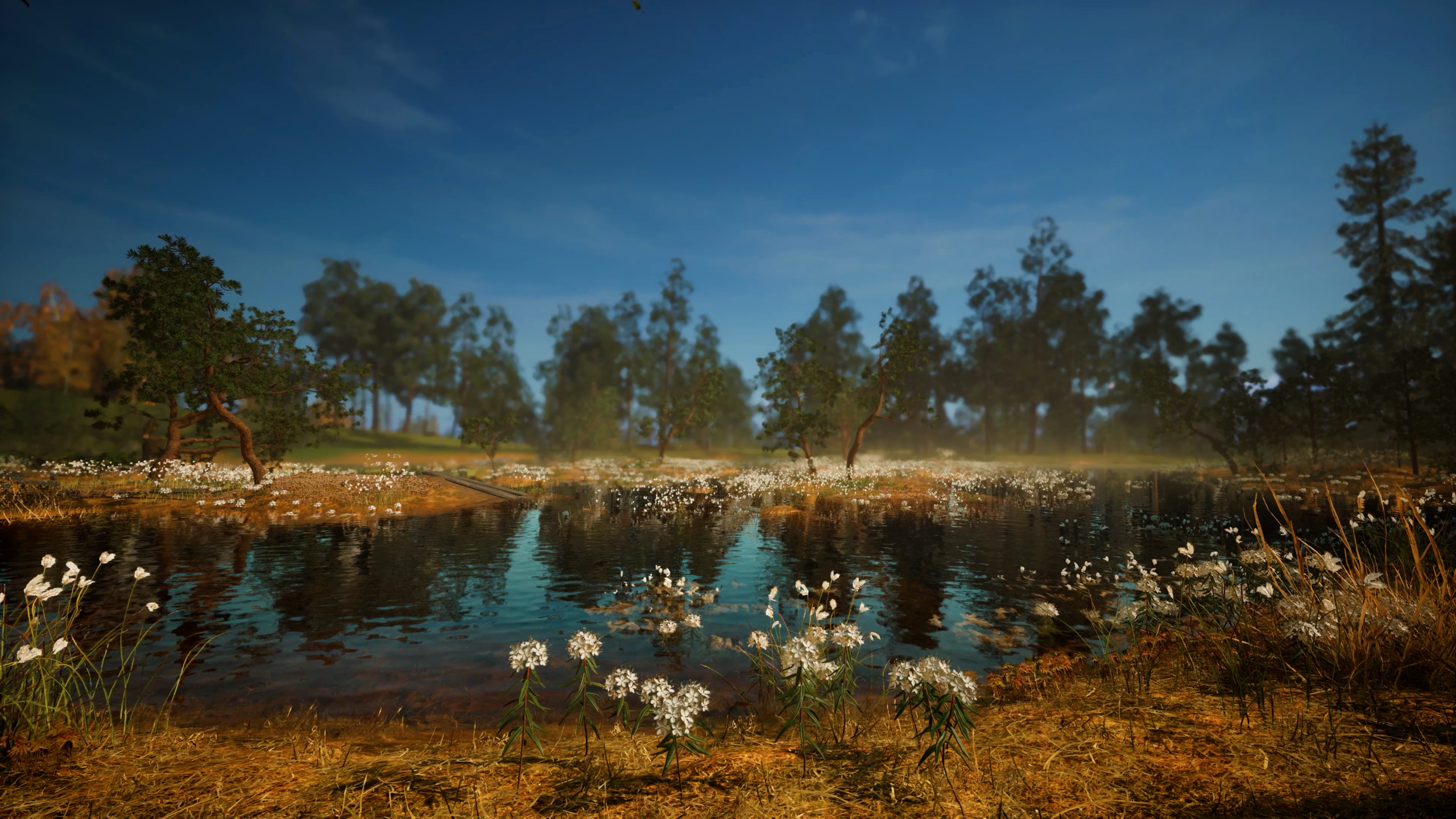
27 Aug Hela: A Wholesome Adventure Game That Rewards Kindness and Curiosity
Hela: Of Mice & Magic is an open-world exploration and puzzle adventure where you play as a tiny mouse helping a kind witch tend a fading Scandinavian forest. Kindness isn’t a theme tacked on after the fact. It’s the engine of play. You earn a hare’s trust through patient foraging, complete a squirrel’s treetop traversal challenges to earn potion ingredients, and help local villagers with small tasks that carry real weight in the world.
Key Takeaways
- Two named companion systems, the hare and the squirrel, turn kindness into concrete mechanical rewards.
- The Living Playground design means most puzzles have multiple valid solutions; wrong attempts are never punished.
- Hela works as a complete solo adventure and also supports drop-in co-op.
What is Hela: Of Mice & Magic and what kind of game is it?
Hela: Of Mice & Magic is an open-world exploration and puzzle adventure developed by Windup (Umeå, Sweden) and published by Knights Peak, a division of My.Games. You guide a small mouse through a hand-crafted Scandinavian forest, helping a kind witch whose land is slowly losing its magic. There’s no combat, no enemy health bars, and no grind. Every system in the game is built around curiosity, connection, and care.
Windup’s creative team brings shared leadership from the world of Unravel, making Hela a spiritual successor with its own story, not an official sequel or extension of that IP. What carries over is the design philosophy: a world that feels handmade, characters who feel genuinely alive, and a pace that belongs entirely to you.
Three pillars hold the whole thing together. Playfulness gives you a sandbox of tools and toys to experiment with. Exploration rewards the players who poke at the world’s edges. Heart keeps the story grounded in nature, kindness, and the small acts that matter. With 1 million wishlists already on record and a 2026 release on the way, the anticipation is real.
How do the animal-companion trust systems turn kindness into a gameplay mechanic?
Kindness produces real mechanical rewards through two named companion loops, the hare and the squirrel, each of which operates as its own reward system that responds to what you do in the world, not just what you say. As detailed in Windup’s animal-focused design deep dive (MonsterVine, May 2026), both companions are intentional, layered systems rather than decorative sidekicks.
The Hare: Patience Becomes Speed
You can’t call on the hare the moment you meet it. The hare must be gradually won over through repeated, patient foraging interactions. You bring things. You return. You don’t rush. As the trust meter fills, the hare warms to you, and eventually it becomes a companion you can call on for faster travel across the forest floor. The mechanical payoff is direct: kindness earns mobility.
This isn’t a tooltip you read once and forget. The loop changes how you move through the world. Early in your adventure, the forest feels vast. With the hare by your side, it breathes differently, still full of discovery, but navigated with confidence.
The Squirrel: Curiosity Becomes Traversal
The squirrel works differently. It challenges you to keep pace through the treetops, swinging, gliding, and grappling across the canopy with your Froggy backpack, and completing its challenge rewards you with potion ingredients you can use to brew potions and unlock new abilities. You take on the challenge to earn ingredients. You use the ingredients to brew and unlock. The loop is self-reinforcing.
Both systems reflect the Heart pillar directly. Connection and care produce tangible rewards. You don’t fight for progress. You befriend it.
- Build trust with the hare through repeated foraging interactions to earn faster forest travel.
- Complete the squirrel’s treetop traversal challenges to earn potion ingredients for brewing.
- Both companion loops reward curiosity and engagement, not combat.
- Companion progress changes how the whole world feels to move through.
Helping the Village: Small Acts with Real Weight
Beyond the companion systems, Hela builds kindness into the village-helping loop, a structure where local folk have tasks you can take on at any pace, in any order, with no time pressure and no punishment for going off on a detour first.
You might help someone reunite a lost item with its owner, or gather ingredients that nobody else can reach. These tasks connect directly to the game’s core verbs: brewing, foraging, and befriending. The world responds to your help with visible change. Villages feel warmer, relationships deepen, and new possibilities open up in ways that feel earned rather than transactional.
There are no experience points to accumulate and no combat loot to chase. The reward is the act itself. That design choice is a commitment, not a constraint. Every helping quest carries genuine Heart pillar weight because you’re not doing it for numbers. You’re doing it because the world needs tending.
What does the Living Playground design philosophy mean for how players explore and solve puzzles?
The Living Playground is Windup’s core design approach for Hela, and it means most challenges have multiple valid solutions. Curiosity is rewarded over punished. If you try something that doesn’t work, the world responds with discovery rather than a failure screen.
This changes the psychology of puzzle-solving. You’re not hunting for the single correct answer. You’re experimenting with a world that has opinions about everything. Push something and see what happens. Swing in a direction you haven’t tried. The Froggy backpack, your named traversal companion and not just a tool, lets you grapple, glide, and climb across the canopy in ways that feel genuinely playful rather than mechanical.
The Exploration pillar lives here. The forest is hand-crafted to reward players who investigate its edges, poke at odd corners, and follow curiosity rather than a checklist. You won’t find everything on the first pass, and that’s by design. The world keeps surprises tucked away for the second time through a clearing, when you arrive with the squirrel’s traversal skills and suddenly see paths you couldn’t reach before.
This is what sets Hela apart from linear puzzle adventures. The answer isn’t locked behind a single sequence. The world opens in response to who you’ve become, which companion trusts you, which ingredients you’ve gathered, which villagers you’ve helped.
Solo Adventure or Co-Op Journey: You Choose
Hela is a complete, self-paced solo experience. The story, the companion systems, and the Living Playground all work fully without a second player. The adventure doesn’t feel like it’s missing anything when you set out alone. If you’ve been burned by games that feel hollow without a full group, that’s worth knowing upfront.
Drop-In Co-Op for Up to Four Players
When friends want to join, drop-in co-op supports up to four players online. Two-player local split-screen is also available for people who want to share a couch. Co-op doesn’t change the game’s heart. It adds texture. Friends can split village tasks, share discoveries, and approach puzzles from different angles at the same moment. One player builds trust with the hare while another takes on the squirrel’s canopy challenges. The world responds to all of it.
Platform Availability
Players asking where they can find Hela: Of Mice & Magic will be happy with the answer. The game releases in 2026 on PC (Steam), PlayStation, Xbox, and Nintendo Switch 2. If you’re on PlayStation, including PS5, Hela is confirmed for your platform.
Swinging through the canopy with Froggy, watching the hare’s trust bar fill for the first time, finishing the squirrel’s treetop challenge and pocketing the reward. That’s where the story begins.
What awards and recognition has Hela received, and why does that matter?
Hela: Of Mice & Magic received the Most Wholesome Game award at Gamescom 2025, recognized by Gamescom and covered by COGconnected (April 2026) specifically for its non-violent gameplay and its emphasis on kindness and cooperation. That distinction matters for a concrete reason.
A lot of games call themselves wholesome. Few of them build kindness into the architecture of play itself. The Gamescom award validates that Hela’s design philosophy isn’t marketing language. It’s a recognizable achievement in how the game actually works. Non-violence isn’t an absence of combat; it’s an active design choice that shapes every system in the game, from companion loops to village-helping quests.
The Windup team’s published design deep dive shows the same intentionality at the mechanic level. The hare and squirrel companion systems weren’t added for charm. They were constructed as reward loops with specific triggers and specific payoffs. That transparency about design thinking is part of what makes Hela’s recognition feel earned rather than awarded.
Frequently Asked Questions
Is Hela: Of Mice & Magic available on Steam right now?
Hela: Of Mice & Magic hasn’t released yet, though a 2026 launch is confirmed. See the Platform Availability section for the full list of storefronts and platforms.
Does Hela have co-op multiplayer?
Yes. Hela supports drop-in co-op, alongside a complete solo experience. See the Drop-In Co-Op section for exact player counts. Nothing feels missing when you play alone. In co-op, players can split village tasks, tackle puzzles from different angles, and build companion trust together, making the adventure feel genuinely shared rather than just multiplied.
What makes Hela different from other wholesome adventure games?
Most wholesome games use kindness as a theme. Hela builds it into the game’s systems. The hare companion trust loop and squirrel traversal challenge are mechanics, not aesthetics. Kindness produces real, named rewards. The Living Playground design means curious players are always discovering something new rather than hunting for a single correct answer. There’s no combat anywhere in the game.
What is the Living Playground design philosophy in Hela?
The Living Playground is Windup’s approach to puzzle and exploration design in Hela. Most challenges have more than one valid solution, and wrong attempts lead to discovery rather than punishment. The philosophy rewards curiosity over precision, making the world feel responsive to experimentation. It’s the reason the Froggy backpack feels like play rather than a tool you use to check boxes.
How do you build trust with your companion in Hela?
Progress with the hare comes through repeated, patient interaction: you return often and forage nearby, and the hare warms to consistency and care. With the squirrel, progress comes through completing its treetop traversal challenges, which reward you with potion ingredients for brewing. Both loops reward players who engage with what the world’s animals ask of them, rather than rushing through objectives.

Clifford Robinson writes for Linux Rock Star, a blog dedicated to Linux and UNIX security. He specializes in creating high-quality content focused on system auditing, hardening, and compliance, aiming to make these topics accessible and actionable for system administrators, auditors, and developers. Clifford is passionate about providing valuable insights into Linux security, ensuring that the content is both informative and freely available to help readers secure their systems effectively.
Sorry, the comment form is closed at this time.